Blog
Nov. 09, 2026
Share:
Custom EPP packaging is different from standard off-the-shelf foam. Especially for irregular precision instruments such as lenses, sensors and laser equipment, sampling is the critical stage to verify structure fitting, cushioning effect and protection performance. Many new customers mix up CNC prototype and molded trial samples. Unclear requirements on drawings, revision cycles and testing will delay the whole project. Below is the standard EPP sampling process and key points for precision instrument customers.
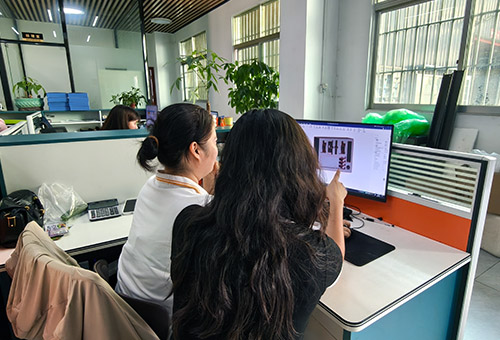
Step 1: Document submission and requirement assessment Customers provide 3D drawings or physical photos of the product, mark weight and fragile zones, and specify usage requirements: one-time shipment or reusable circulation, anti-static, textured finish, cleanroom requirement, transport mode and stacking load. Our engineers evaluate suitable EPP density, multi-density zoning and cavity structure. STEP/IGS 3D files are preferred for high-precision instruments. We can also arrange on-site scanning if you only have physical goods.
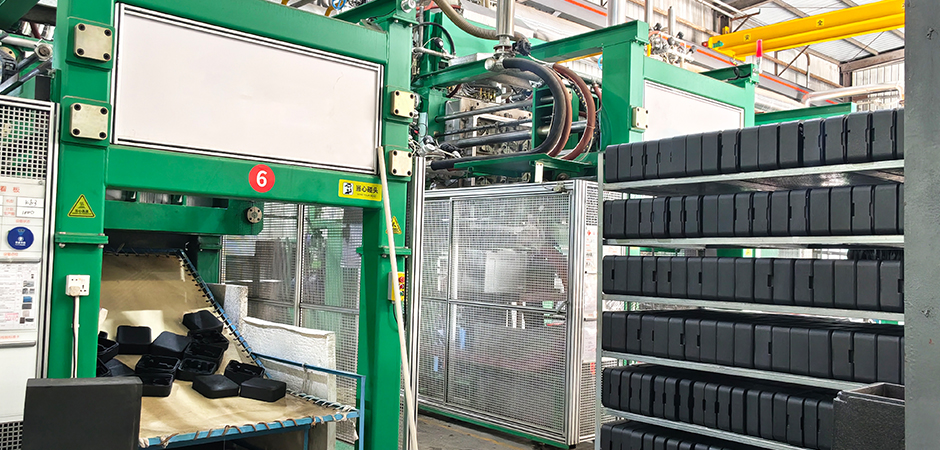
Step 2: Solution confirmation and sample type selection Two main sample types for EPP: CNC prototype and mold trial sample. CNC prototype: Machined from solid EPP block without formal steam mold. Fast delivery for quick check of cavity layout and fitting. Limitation: surface finish and material resilience cannot fully match mass production. It is only for structural verification. Mold trial sample: Produced by dedicated steam mold with bead steam fusion. Performance, texture and appearance are identical to mass products. It can go through drop, vibration and compression tests, and is recommended as the final acceptance sample for export optoelectronic equipment.
Step 3: Sample fabrication and internal inspection CNC prototypes are processed quickly after design approval. Mold trial samples need mold machining, texture etching (if required) and machine tuning. Before delivery, we inspect dimension, appearance and, for ESD versions, surface resistance.
Step 4: Customer trial and reliability validation After receiving samples, you may check fitting and appearance. For high-value equipment, we offer drop and vibration tests to simulate real logistics conditions and discover risks such as loose positioning or compression deformation.
Step 5: Revision, sample sealing and mass production launch We adjust cavity shape, wall thickness, density zoning or surface treatment according to feedback. Once confirmed, the sealed sample becomes the acceptance standard for mass production.
Important points for customers:
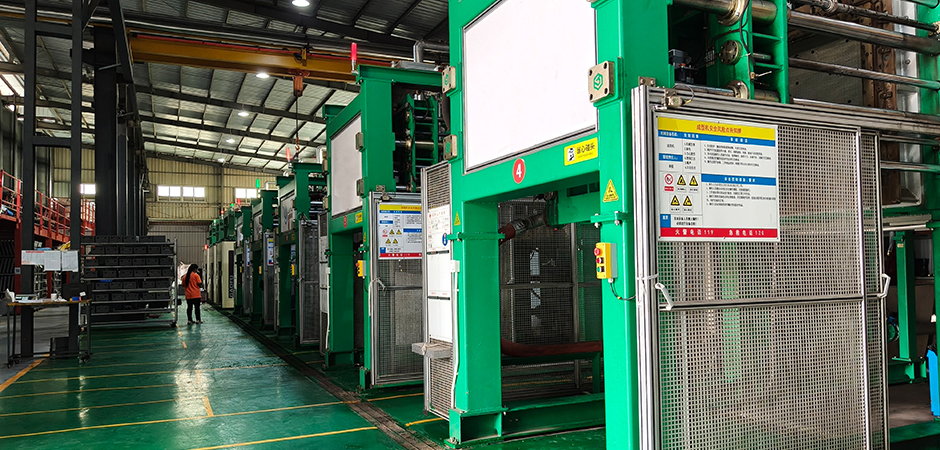
As a Dongguan EPP packaging source factory, Fumei New Materials provides fast CNC prototyping and mold trial service for precision instruments. Textured, anti-static and multi-density designs are available with test reports. Send your drawings to start solution evaluation.