Blog
Nov. 05, 2026
Share:
For the optoelectronic and inspection instrument industry, many buyers specify textured surface on EPP packaging boxes. A common misunderstanding is that texture is added by painting or laminating after molding. In fact, EPP texturing is a mold-side process widely adopted for high-end precision equipment packaging.
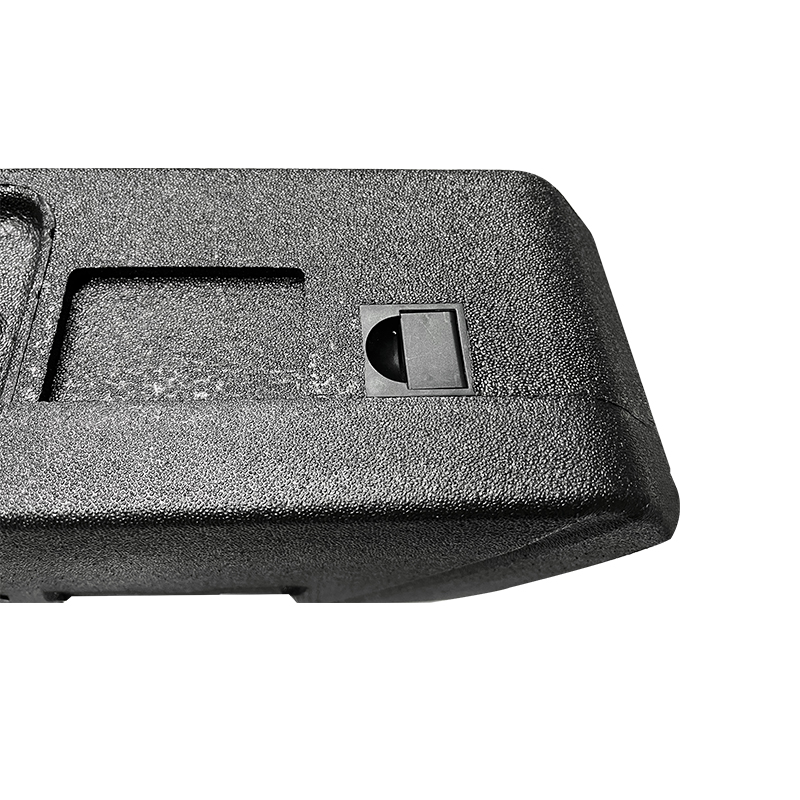
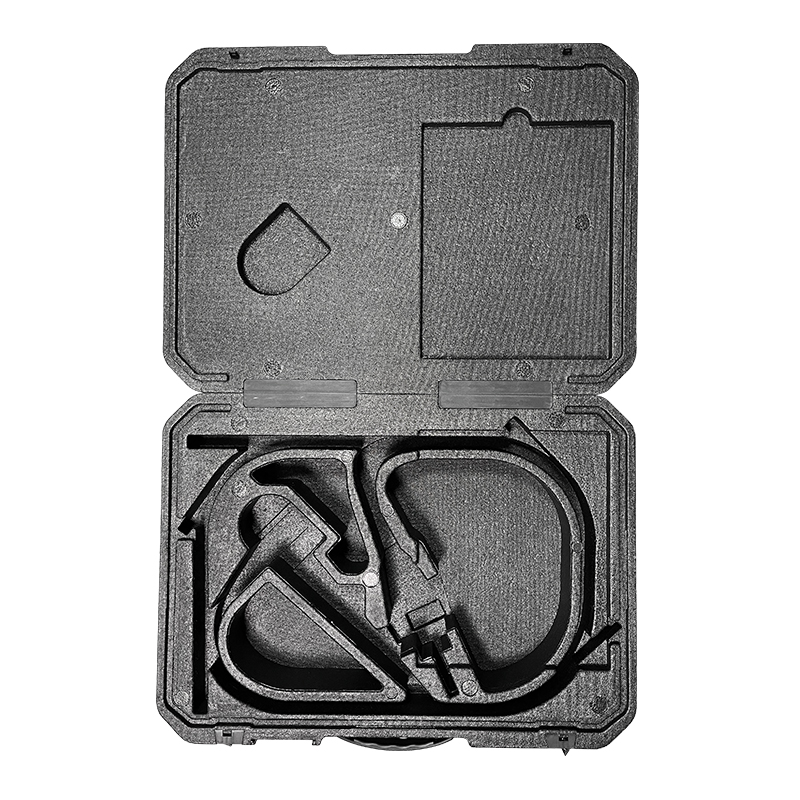
EPP texturing means fine patterns are etched or carved onto the cavity surface of the EPP mold in advance. When EPP beads are heated and fused by steam during molding, the texture is transferred onto the part in one shot. The texture is integrated with the EPP substrate, with no secondary coating, adhesive film or post-finishing work. The finished product comes out with a uniform matte surface, which we call textured EPP packaging boxes or textured EPP inserts.
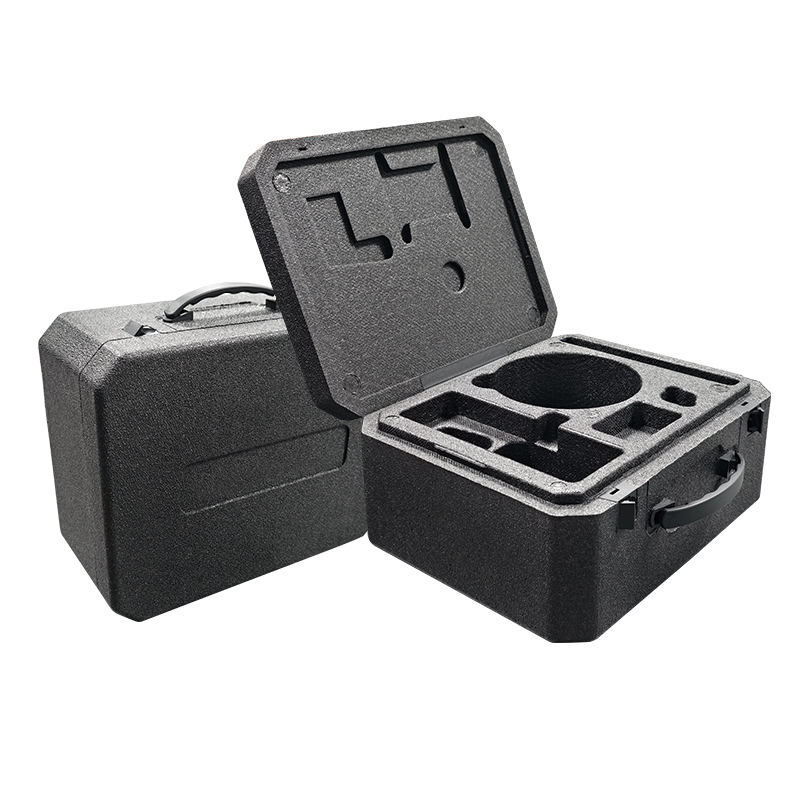
✅ Premium, refined appearance Glossy EPP easily shows fingerprints and water marks. Matte textured surfaces hide minor handprints and stains, delivering a cleaner, high-end unboxing experience and supporting your brand image for sophisticated instruments.
✅ Scratch resistant, less prone to whitening marks Glossy EPP tends to develop obvious white scratches after repeated stacking and rubbing. The textured surface disperses friction stress, reducing visible abrasion marks during long-term circulation. The appearance stays neat for many reuse cycles.
✅ Anti-slip surface to restrict shifting Fine texture creates extra friction between the instrument and EPP cavity. It reduces micro movement and sliding during transit vibration, better protecting sensitive components such as lenses and sensors.
✅ Low particle shedding, suitable for cleanrooms Without extra coating, glue or film layers, textured EPP avoids debris from peeling layers. It generates fewer particles under friction, a key reason optical and optoelectronic customers select textured grades for cleanroom workflows.
✅ Hides minor molding marks Weld lines and faint flow marks are much more noticeable on glossy EPP. Texturing softens these minor cosmetic imperfections, lowering visual reject rates and improving overall yield.
Textured finish is not mandatory for every project. For simple internal circulation where appearance is not a priority, smooth glossy EPP is sufficient. At Fumei New Materials, we recommend glossy or textured surface according to your budget, working environment, cleanroom requirement and reuse frequency.
Textured EPP packaging boxes are more than just good-looking. Scratch resistance, anti-slip performance and clean characteristics make them a reliable choice for circulating precision instrument packaging.
Q1: Does textured EPP produce more dust?
A: No. Texturing is completed inside the mold without additional coatings. Compared with painted or laminated options, it has lower particle shedding and better cleanliness.
Q2: Is there any difference in cushioning performance between textured and glossy EPP?
A: If base density and structure remain the same, shock absorption and creep resistance are identical. The only difference is surface texture.
Q3: Can texture patterns be customized?
A: Standard fine grain is available. Custom patterns require mold etching in advance and confirmation before mold opening.
Q4: Can textured EPP be anti-static?
A: Yes. Anti-static EPP raw material can be molded with textured molds to achieve ESD protection, scratch resistance and cleanliness at the same time.
Fumei New Materials provides custom textured EPP packaging boxes and inserts. Multi-density zoning and anti-static molding are supported for reusable export packaging of optoelectronic and inspection instruments. We can arrange drop, vibration and other reliability tests upon request.