Blog
Oct. 13, 2026
Share:
For high-value products such as optical detectors, laser sensors and industrial precision controllers, material cushioning alone is not enough. Without reliable positioning, bumps and stacking pressure during transport will make instruments shift inside the box. Corners, lenses and sensor probes are easily damaged by impact. Multi-cavity EPP insert is the preferred packaging solution for precision instruments. Independent chambers are integrally molded to secure main units, lenses, cables and spare parts separately, restricting movement and preventing friction and collision.
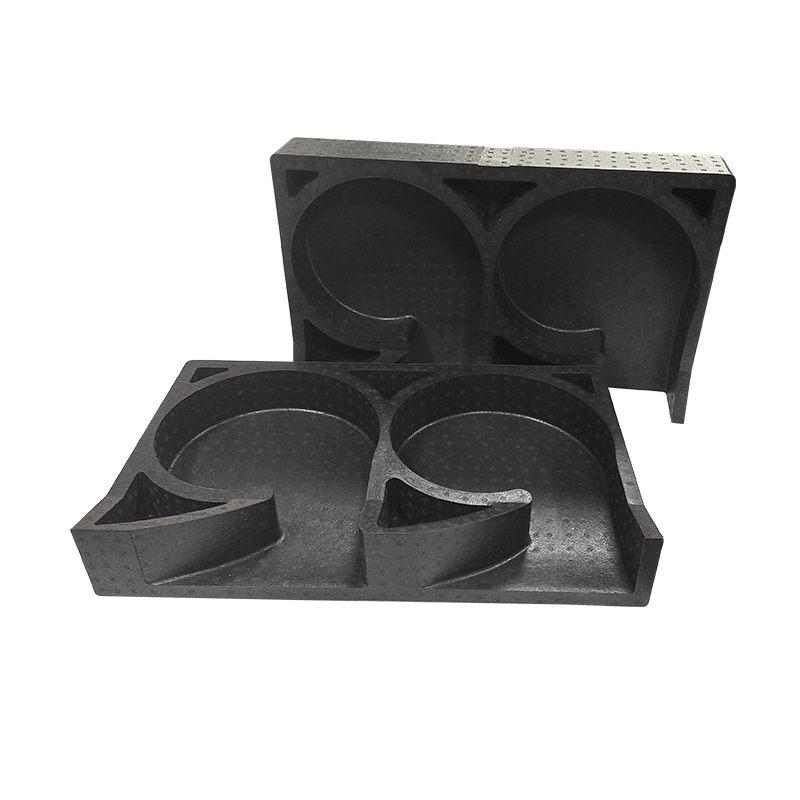
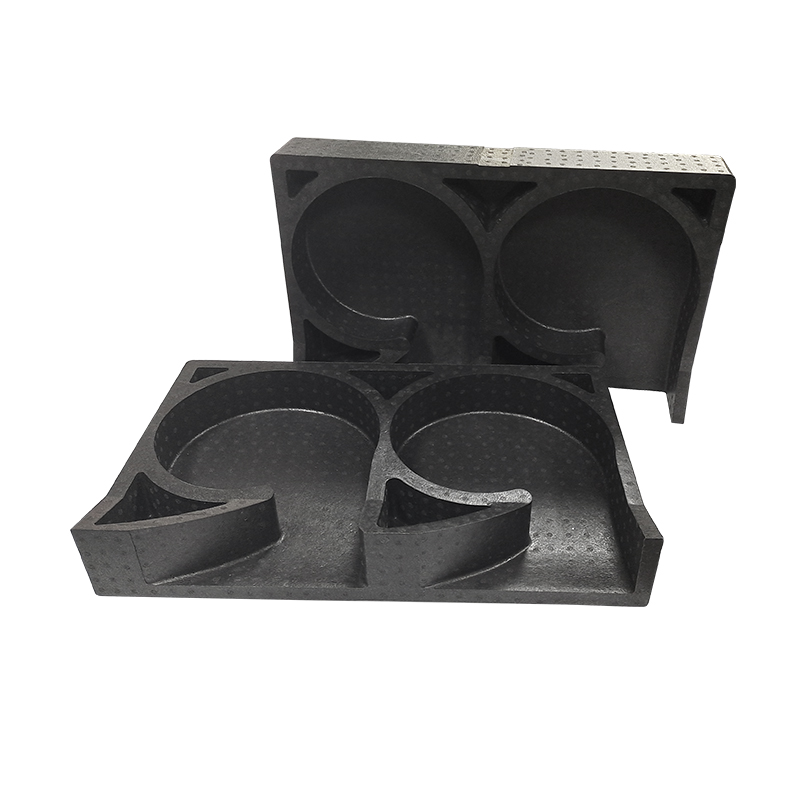
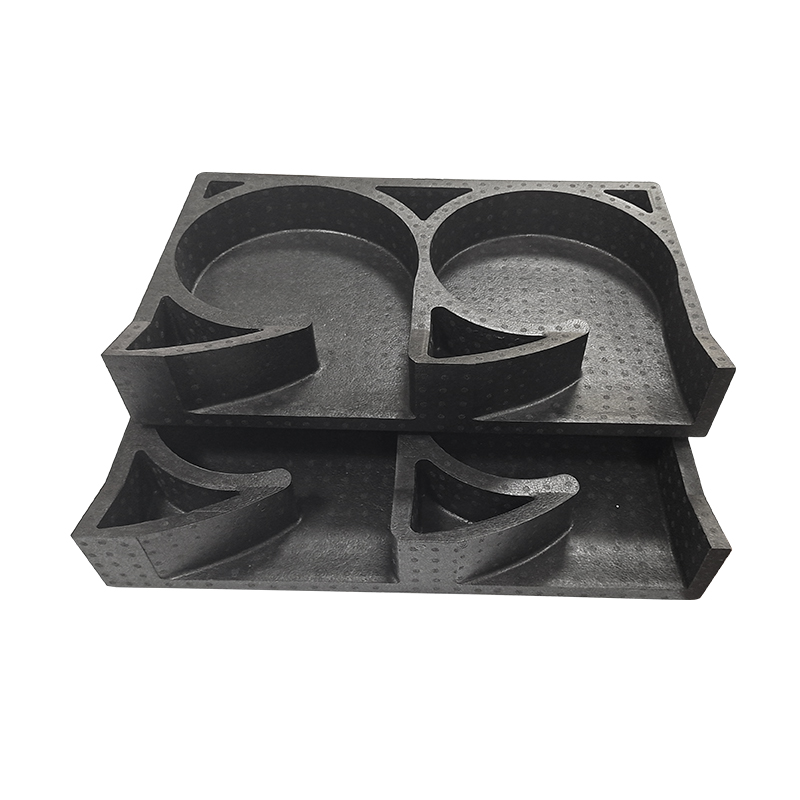
When designing multi-cavity EPP inserts for precision instruments, the first step is product scanning and cavity clearance control. Cavities should neither tightly clamp the product nor leave excessive gaps. Too little clearance makes loading and unloading difficult; too much space leads to shifting. Fumei’s engineering team reserves proper buffer gaps according to product dimensions, balancing ease of assembly and positioning stability. Fragile protruding parts such as lenses and probes are protected by specially designed recesses to disperse impact force and avoid local stress concentration.
Secondly, chamber layout should follow the weight and size of components. Heavy main units are placed at the bottom, while lightweight accessories and cables are arranged on the side or upper layer. The center of gravity stays low and centered to prevent box tipping. Reinforcing ribs are built between separate chambers to divide parts and increase the rigidity of the whole insert, preventing deformation between cavities. With our in-house mold workshop, irregular grooves and curved relief structures can be carved directly on molds and formed in one steam molding process. Unlike cut EVA inserts with joints, there are no gaps or loose pieces.
Draft angle and wall thickness are critical for EPP molding. Proper draft angles are required for smooth demolding and intact cavity walls. Uniform wall thickness is carefully controlled; thin walls lack strength while over-thick walls increase packaging weight and material cost. Fumei mold engineers evaluate structures in DFM phase, optimizing wall thickness and draft angles to ensure stable dimensions and consistent quality in mass production.
For cleanroom applications, mold-textured EPP one-piece molding is recommended. Mold grain forms on the insert surface without lamination or painting. No debris shedding occurs to meet cleanroom standards. Small anti-slip bumps can be molded inside cavities to minimize tiny sliding movements of components.
As a Dongguan EPP manufacturer with in-house mold workshop, Fumei New Materials designs, molds, samples and mass-produces multi-cavity EPP inserts based on 3D drawings of precision instruments. We deliver one-stop solutions from cavity clearance and gravity layout to mold optimization, providing reliable positioning and cushion packaging. Contact us for packaging evaluation and sample testing if you need custom EPP packaging for precision instruments.