Blog
Oct. 23, 2026
Share:
The optoelectronic, laser sensor and precision testing equipment industries in the Pearl River Delta keep expanding. High-value instruments go through in-factory handling, cross-site transfer and sea shipment, pushing higher standards for protective packaging. Engineers and procurement teams often ask: Where to source custom EPP packaging for precision instruments?
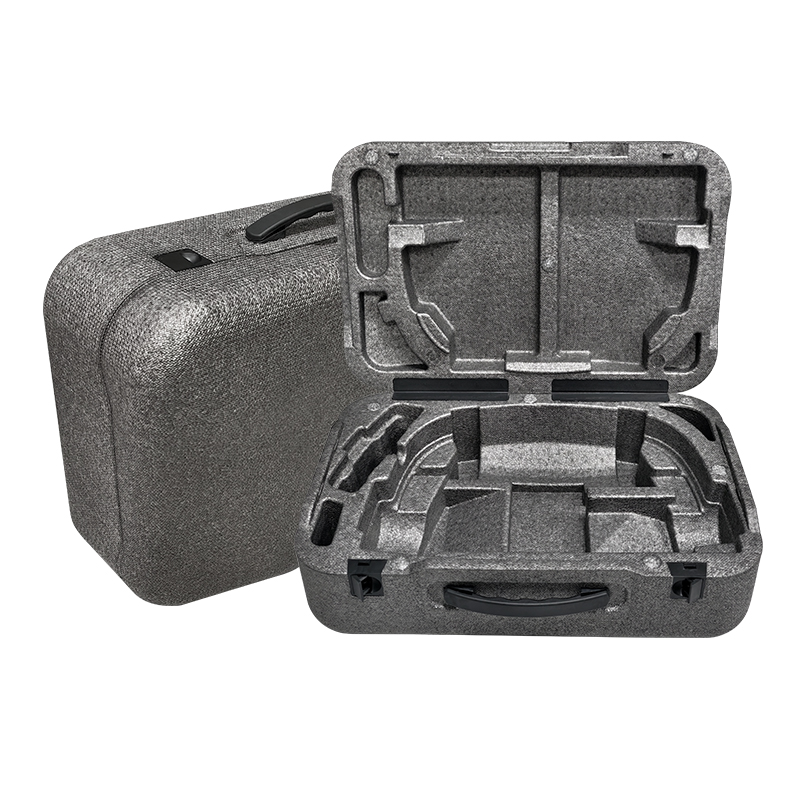
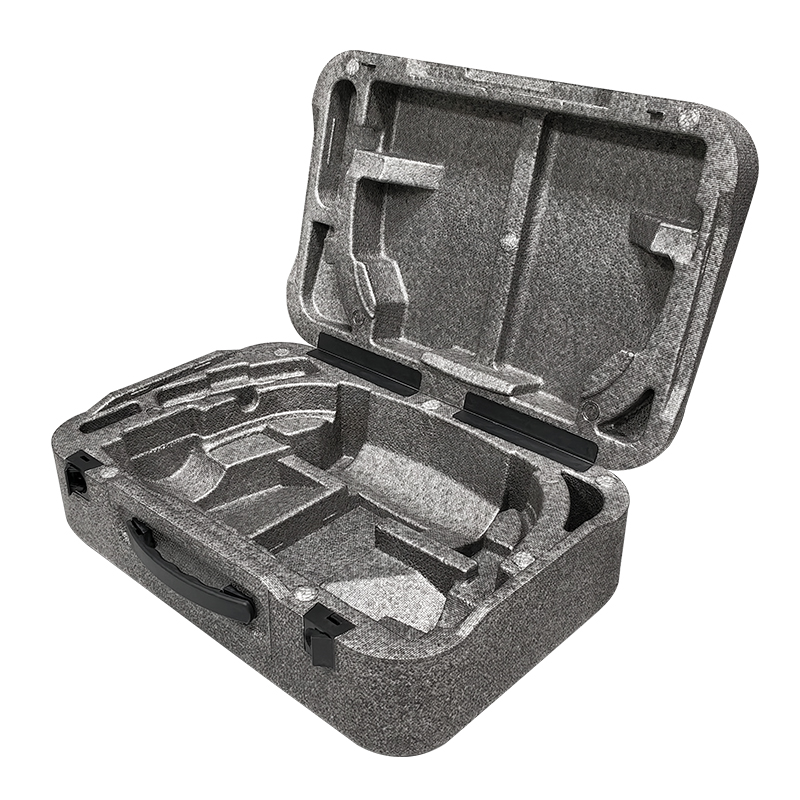
EPE foam and glued EVA inserts were widely adopted before. Low tooling cost made them easy to deploy, yet drawbacks emerge in repeated circulation and cleanroom environments: glue residue, seam gaps and debris may contaminate optical lenses and circuit boards. After repeated stacking, the cushioning structure loosens and raises collision risks. Driven by cleanroom management, ESG policies and cost reduction targets, integrally molded EPP packaging for precision instruments is gaining wider acceptance.
Different from segmented glued foam, integrally molded EPP packaging is formed in one steam foaming cycle. Box bodies and internal positioning ribs take shape without adhesive. For dust-sensitive optical applications, mold texturing is a mainstream solution. Texture is etched directly on molds, leaving a matte surface after molding, with no film or paint coating to avoid peeling dust. Anti-static modified EPP grades are also available for electrostatic-sensitive electronic components.
Nevertheless, uneven quality across suppliers brings difficulties in selection. Many traders outsource mold and molding services without early DFM assessment. Defects such as incomplete filling and demolding tearing are only discovered at sampling stage, delaying schedules and increasing mold costs. Industry insiders agree that supplier evaluation should focus on technical capability instead of price only. Four core criteria are widely recognized.
First, independent mold development. Complex packaging structures often contain thin-wall sections. Vent layout, draft angle and feeding design determine molding yield. Factories with in-house CNC mold workshops can complete carving, texture etching and trial revision onsite for stable dimensional control.
Second, cleanliness management. Mold-integrated texturing is the preferred route for dust-critical cleanrooms, compared with post-film or spray treatment which tends to shed particles after friction.
Third, customized foaming grade selection. Higher density does not equal better protection. Material grade is selected based on instrument weight, stacking load and shipping mode to prevent permanent collapse. Virgin EPP beads with incoming inspection stabilize product performance.
Fourth, reliability testing. Passing lab sampling is not equal to stable mass production. Qualified suppliers run batch drop, vibration and cyclic compression tests to confirm structural integrity after dozens of circulation cycles for land and sea logistics.
Mismatch is common when outer boxes and internal supports are ordered from separate vendors. Synchronized development of the whole packaging set helps achieve better fitting. This type of EPP packaging can be reused more than 50 times, cutting long-term packaging expenditure and supporting ESG audits.
The standard custom workflow starts with 3D drawings and requirement handover, covering cleanroom, anti-static, stacking and export specifications. Then the supplier carries out DFM review, mold machining, texturing, trial molding and sample verification before mass production.
Q1: What is the standard sampling lead time for EPP precision instrument packaging?
A: Normally 5–7 days after DFM confirmation; rush service is available for simple designs.
Q2: Can EPP packaging for precision instruments be anti-static?
A: Yes, modified anti-static EPP delivers surface resistance from 10⁶ to 10⁹ Ω for sensitive electronics.
Q3: Are different grain patterns available for textured EPP boxes?
A: Matte grain, leather grain and embossed logos are optional upon request.
Q4: Is EPP packaging suitable for sea export?
A: EPP features good moisture and temperature resistance. Textured dust-free versions with reliability tests fit sea shipment and circulation.
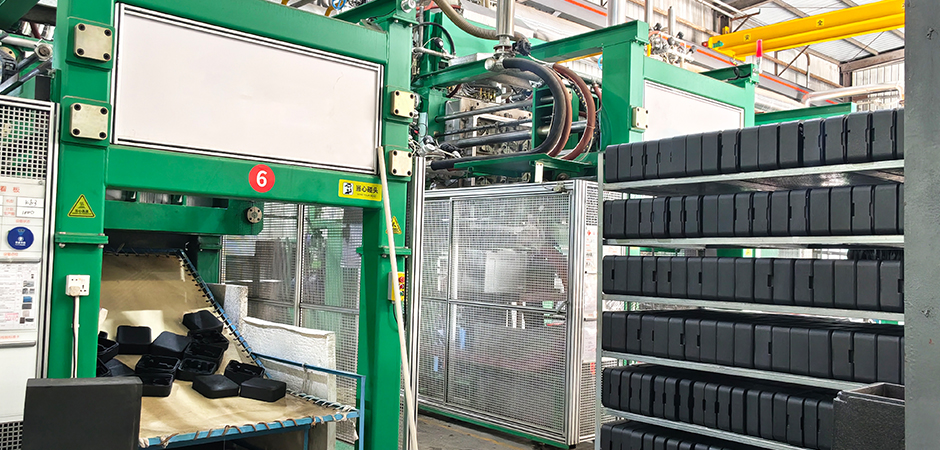
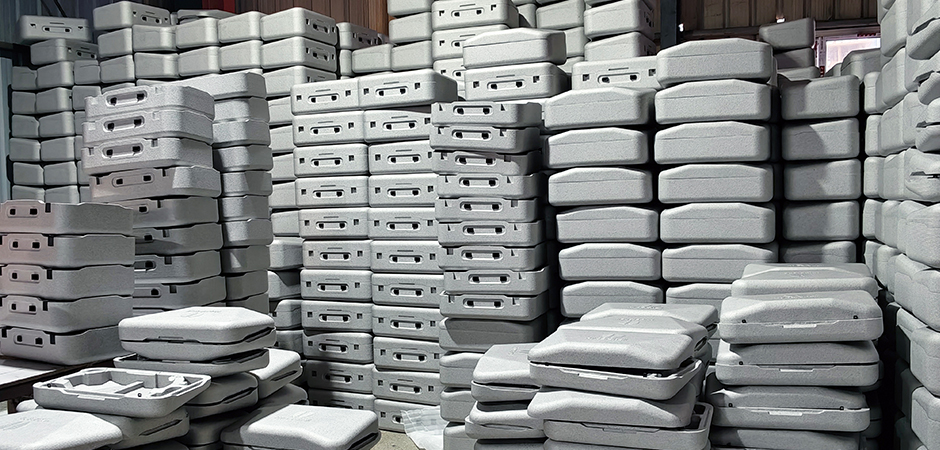
Against the background of packaging upgrading in precision manufacturing, source manufacturers with full in-house mold, molding and testing capacity better serve optical, sensing and testing equipment enterprises. Fumei New Materials, a Dongguan-based EPP molding factory, provides custom EPP packaging and textured EPP boxes, together with DFM evaluation, sampling and reliability testing services.