Blog
Nov. 25, 2026
Share:
Sparks from short circuits inside battery modules can ignite ordinary foam and spread flame rapidly.
Foam with only surface flame-retardant coating will lose protection after scratches during assembly.
Relying only on the V0 mark without checking certificate thickness leads to failed sampling tests and delays.
MPPE (modified PPE bead foam) features intrinsic halogen-free flame retardancy instead of surface coating. It is widely used for buffer and insulation in battery modules, charging piles and high-voltage control units. Below are checkable criteria for reference.
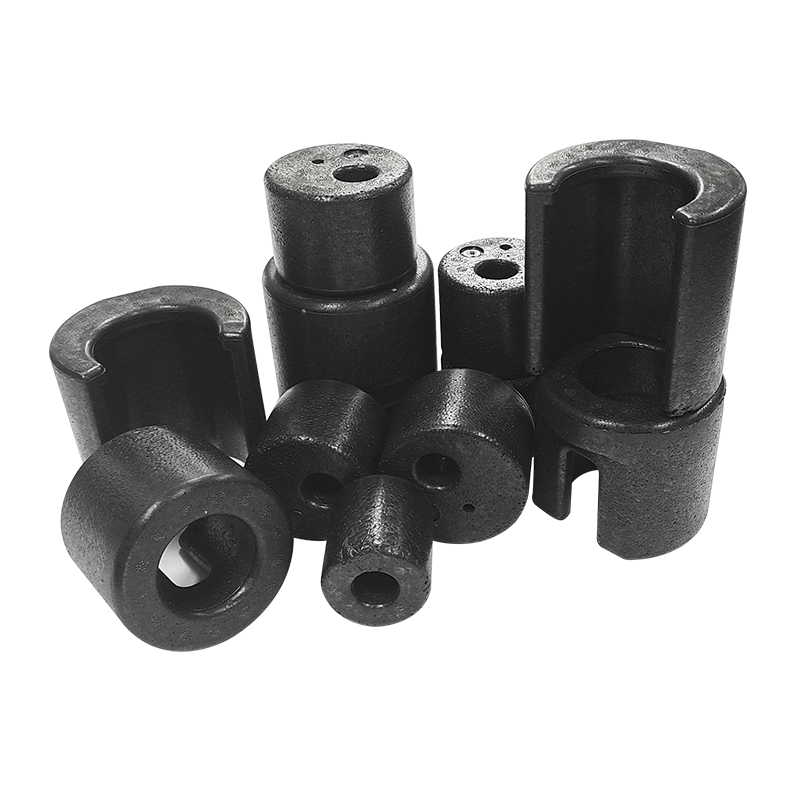
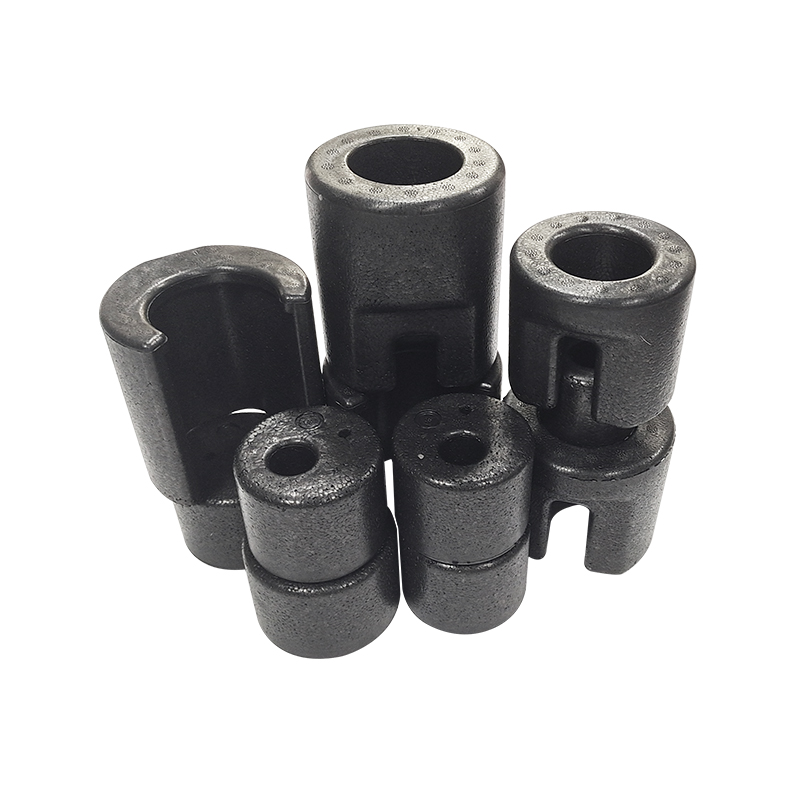
All four requirements must be satisfied for valid V-0 rating:
✅ Self-extinguish within 10 seconds after each 10-second flame exposure
✅ Total burning time of 5 specimens ≤ 50 seconds
✅ No flaming drips that ignite cotton below
✅ Flame cannot reach the top fixture
⚠️ Two key notes:
✅ Choose MPPE if: UL94-V0 is required by specification; safety certification needed for charging piles or high-voltage parts; stable flame resistance is required after repeated friction; buffer, insulation and flame retardancy are all needed.
❌ Not recommended if: No mandatory flame retardancy requirement (EPP is more cost-effective); continuous high temperature without thermal aging test; tight budget with no safety regulation requirements.
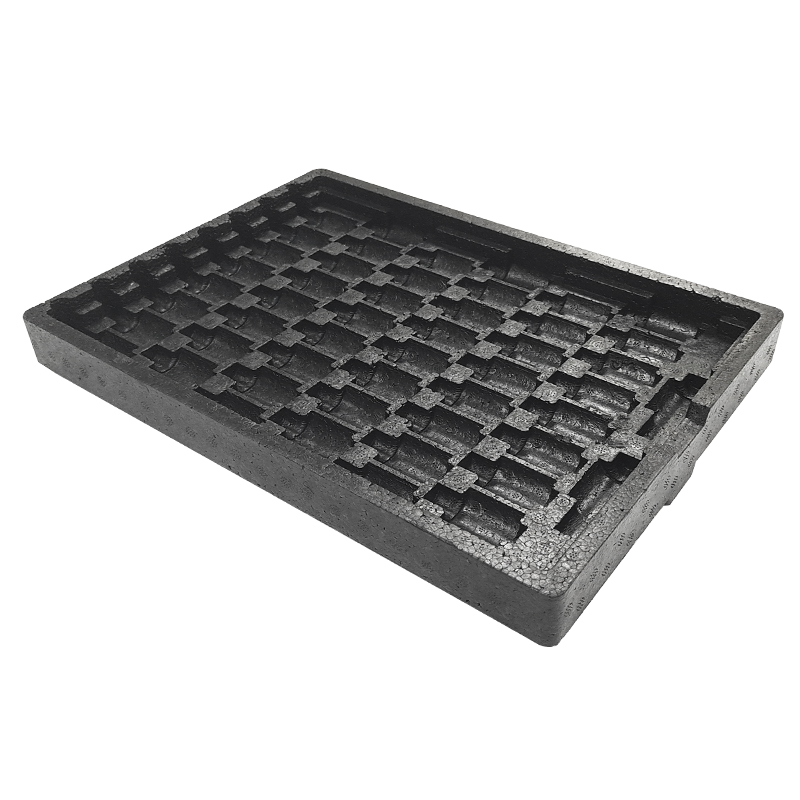
Selection flow: Confirm V0 requirement → Verify UL certificate thickness & material type → Check compression and temperature data → Confirm molding feasibility. Fumei New Materials provides custom molded MPPE foam and CNC prototyping. Full compliance documents are available for energy storage, power battery and charging pile projects. Send drawings for lead time and cost evaluation.